
Every website owner reaches a point where guessing what Google wants is no longer an option. Traffic flattens out, competitors start ranking for the exact keywords you targeted, and technical errors quietly multiply behind the scenes. This is when the search for the best tools to boost your SEO begins.
The immediate question most US bloggers, small business owners, and marketers face is whether to stick with a no-cost setup or invest in premium platforms. A free vs paid SEO tools comparison quickly reveals that both categories serve very different purposes. Free platforms give you a look inside your own website’s performance, while premium options let you look inside everyone else’s.
Choosing the right SEO tools is not about finding one magical piece of software that guarantees higher rankings. It is about matching your current budget, site size, and growth goals with the data you actually need to make smart decisions. This guide breaks down exactly what you get for zero dollars, what you gain by opening your wallet, and how to build a setup that delivers the best return on investment (ROI).
What Free SEO Tools Can Actually Do
Before spending a dime, it helps to understand how much data search engines give away for free. The best free SEO tools provide the foundation of any successful search strategy. They monitor site health, track actual clicks from search results, and help identify what real people are typing into search engines.
Most free platforms focus on your specific domain. Tools like Google Search Console and Ahrefs Webmaster Tools require you to verify that you own the website before they show you any data. Once verified, these tools act like diagnostic monitors for your content. They highlight indexing errors, mobile usability issues, and the exact terms bringing visitors to your pages.
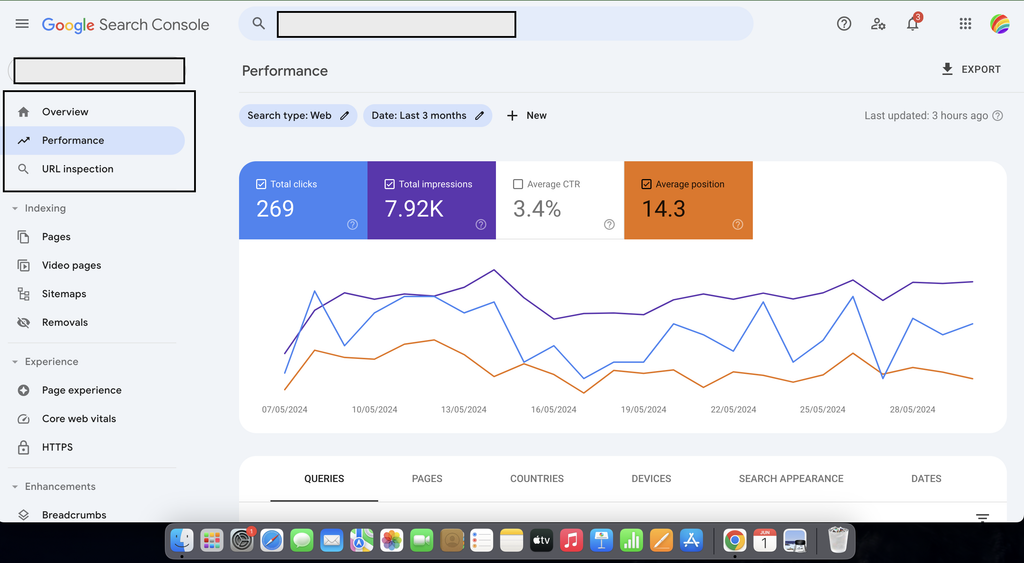
For a small site just starting out, this first-party data is often completely sufficient. You can track your own performance without worrying about what other websites are doing. The limitation is simply that you cannot peek over the fence to see your competitors’ traffic or their backlink strategies.
The Core Free Stack
A reliable free setup usually relies on a few core staples. Google Search Console tracks organic search performance, while Google Analytics measures what users do once they land on a page. Bing Webmaster Tools offers similar insights for Microsoft’s search engine, often catching technical issues Google might miss.
For basic technical checks, the free tier of Screaming Frog SEO Spider allows you to crawl up to 500 URLs. This is enough to find broken links, missing title tags, and duplicate content on smaller sites. Together, these tools form a powerful baseline that every website should have running in the background.
What Paid SEO Tools Add That Free Options Lack
The main reason marketers open their wallets is not because premium tools guarantee better rankings. It is because paid platforms provide competitor intelligence and historical data at a massive scale. When comparing free SEO tools vs paid SEO tools, the biggest difference lies in seeing data for websites you do not own.
The best paid SEO tools maintain their own massive databases of the internet. They crawl billions of pages to build an independent map of keyword search volumes, backlink profiles, and organic traffic estimates. This allows you to enter a competitor’s domain and instantly see exactly which keywords bring them the most traffic.
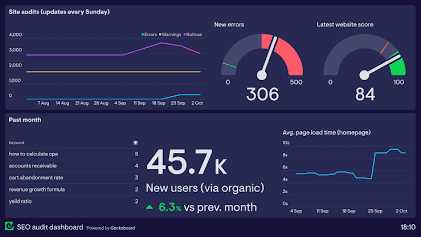
Premium tools also save time. Instead of manually checking rankings or cross-referencing multiple free platforms, paid software consolidates everything into a single dashboard. You get automated weekly site audits, daily ranking updates for thousands of keywords, and instant alerts when a competitor outranks you.
Understanding SEO Tools ROI
Software subscriptions can range from under $50 a month to over $1,000 for enterprise tiers. To justify this cost, the software must generate a positive SEO tools ROI. This means the insights gained must directly lead to new traffic that converts into revenue, clients, or ad impressions.
If you pay for a premium subscription but only log in occasionally to check your traffic, you are wasting money. Paid tools are built for active campaigns—finding new keyword gaps, pitching websites for backlinks, and running technical overhauls.
Task-by-Task SEO Tool Comparison
To figure out if paid SEO tools are worth it, you have to look at the specific tasks involved in daily search engine optimization. The gap between free and paid varies wildly depending on what exactly you are trying to accomplish.
Keyword Research and Search Volume Data
Keyword research is the foundation of SEO, dictating what content you write and how you structure your site.
- Free keyword research tools: Platforms like Google Keyword Planner are great for finding broad topic ideas. However, because Keyword Planner is designed for Google Ads, it often groups similar keywords together and shows broad volume ranges (like 1K–10K searches) instead of precise numbers. Other budget SEO tools might limit you to three or four searches per day.
- Paid keyword research tools: Premium platforms provide exact search volume estimates, keyword difficulty scores, and historical trends. More importantly, they offer “content gap” analysis. You can plug in three competitors and instantly see a list of keywords they rank for that your site is missing. This one feature often justifies the cost for growing content sites.
Technical SEO Audits and Site Health
Technical SEO ensures search engines can actually read and index your pages. A slow, broken site will not rank, no matter how good the content is.
- Free SEO audit tools: Google Search Console flags major indexing errors, while PageSpeed Insights measures loading speeds. For crawling, the free version of Screaming Frog is excellent, but it stops at 500 URLs. If your site has 400 pages, this is perfect.
- Paid SEO audit tools: Once a site exceeds 500 pages, manual checking becomes impossible. Paid tools crawl hundreds of thousands of pages automatically. They render complex JavaScript, check for deeper architectural issues, and provide historical audit logs to show how site health improves over time.
Rank Tracking Over Time
Monitoring where your pages sit in search results helps measure whether your efforts are actually working.
- Free tracking: Google Search Console shows your average position for various queries. It is highly accurate because the data comes straight from Google. However, it only shows past performance and does not let you easily track custom keyword clusters or monitor how you stack up against specific competitors on a daily basis.
- Paid tracking: Premium tools track thousands of hand-picked keywords every single day. They show exactly who is winning the search engine results pages (SERPs), track visibility across different US cities, and monitor whether your site is appearing in AI overviews or featured snippets.
Backlink and Competitor Analysis
Backlinks—links from other websites pointing to yours—remain one of the strongest ranking signals.
- Free tools: You can see who links to your own site using Search Console or Ahrefs Webmaster Tools. However, you cannot see where your competitors get their links. This makes it incredibly difficult to build an outreach strategy or figure out why a competing article is outranking yours.
- Paid tools: This is where an Ahrefs vs SEMrush vs free tools debate usually ends. Premium platforms let you reverse-engineer any website’s entire link profile. You can see their newest links, their most authoritative referring domains, and the exact anchor text being used. If you are actively building links, a paid tool is mandatory.
Content Optimization and On-Page Scoring
Writing content that satisfies both readers and search engines requires balancing natural language with specific semantic terms.
- Free options: Tools like AnswerThePublic provide great insight into the questions people ask. You can manually check the top-ranking pages to see what topics they cover. However, this is time-consuming and prone to human error.
- Paid options: Premium content optimization software analyzes the top 20 search results for a given keyword. It generates a real-time score as you write, suggesting specific subtopics, word counts, and semantic phrases that the top-ranking pages share.
When Free Tools Are Genuinely Enough
Not every website needs a massive SEO software comparison to succeed. The push toward expensive subscriptions often ignores the reality of how most small sites operate. There are very specific scenarios where sticking strictly to no-cost options is the smartest business decision.
For New Bloggers and Content Creators
If you are just launching a blog, your primary focus should be publishing high-quality content consistently. The best SEO tools to boost rankings in year one are simply the ones that confirm Google can read your site. Spending money on premium keyword research before you have domain authority is often premature.
For Local Small Businesses
A local plumber, dentist, or bakery in a specific US city usually has a very contained target audience. The SEO tools for small business owners in this category do not need to process millions of competitor backlinks. Google Business Profile insights, combined with basic local tracking, will cover almost all necessary ground.
For Single-Site Owners with Limited Pages
If your website has fewer than 500 pages, free technical crawlers will inspect every single URL without charging you a dime. You can track your brand mentions, fix broken links, and monitor your indexing status entirely for free. Until your site outgrows those limits, paying for a larger crawler is unnecessary.
When Upgrading to Paid SEO Tools Is Worth the Cost
At a certain point, the limitations of free tools shift from a minor annoyance to a major roadblock. Relying solely on free data can stall your growth if you are competing in a saturated market or managing complex website architectures.
When You Need Competitor Intelligence
If your traffic has plateaued, the only way to grow is to capture market share from other websites. You cannot do this blindly. Paid tools reveal exactly which keywords drive revenue for your competitors, allowing you to target their most profitable pages. If you do not know what the competition is doing, you are fighting in the dark.
When Managing Multiple Sites or Client Projects
Agencies, freelancers, and portfolio owners cannot rely on disjointed free platforms to report to clients. Premium platforms offer unified dashboards, white-label reporting, and the ability to track dozens of separate projects simultaneously. The time saved on reporting alone often covers the monthly subscription cost.
When Executing Active Link-Building Campaigns
Link building requires finding sites that link to your competitors but not to you. This strategy is impossible without a premium backlink index. If you plan to spend hours each week doing outreach and pitching guest posts, investing in top SEO tools for businesses is a mandatory operating expense.
When Your Site Exceeds 500 Pages
Large e-commerce stores, extensive blogs, and enterprise sites constantly face technical issues. Products go out of stock, category pages break, and duplicate content issues multiply. A premium crawler that can handle 100,000 pages automatically is the only way to keep a massive site technically sound.
How to Decide Based on Your Situation
Making the final call between free and premium platforms comes down to a simple formula: evaluate your current resources against your immediate obstacles. Do not buy a tool for features you might use six months from now.
- Assess Your Current Traffic Level. If your site gets less than 1,000 visitors a month, stick to free tools. Use that budget to create better content instead. If you have steady traffic and want to scale, a paid tool will help identify the fastest path upward.
- Define Your Next Three Months of SEO Work. If you plan to spend the next quarter fixing technical errors on a 200-page site, free crawlers are fine. If you plan to spend the quarter analyzing competitors and building links, you must upgrade.
- Consider a Hybrid Approach. You do not have to commit to an expensive annual plan right away. Many SEOs use free tools for daily monitoring (Search Console, Analytics) and buy a single month of a premium tool when they need to do a massive batch of keyword research or a deep competitive analysis.
A smart hybrid stack handles the vast majority of practical SEO work while keeping costs low.
Conclusion
The debate over free vs. paid SEO tools does not have a single winner. The best tools to boost your SEO are the ones that actually match your current workload and budget. Free platforms are incredibly powerful, providing essential first-party data directly from the search engines themselves.
However, when you need to spy on competitors, track thousands of keywords, or audit massive websites, paid tools become an unavoidable requirement. The smartest approach is to start with a rock-solid free foundation. Master Search Console, understand your analytics, and upgrade to premium tools only when a specific limitation starts holding your business back.

